

 Lithuanian
  English
  Arabic
  Bulgarian
  Chinese (China)
  Chinese (Taiwan)
  Chinese (Hong Kong)
  Czech
Czech  Danish
  Dutch
Dutch  Estonian
  Finnish
  French
  Greek
Greek  German
  Hungarian
  Indonesian
  Italian
  Japanese
  Korean
  Latvian
  Polish
  Portuguese
  Romanian
  Russian
  Slovak
  Slovenian
  Spanish
  Swedish
  Turkish
  Ukrainian
  Vietnamese
 Pramonės naujienos
What Are The Precautions For Installing And Using CCTV Lenses?
Vaizdo stebėjimo kamerų objektyvai are an important component of any surveillance system, and their performance directly affects the quality of the surveillance footage and the stability of the system. There are many things to consider when installing and using CCTV lenses, which we will discuss in detail below.
1.Preparation and precautions before installation
Before installing CCTV lens, some preparation is necessary. For example, you need to clearly define the monitoring requirements of the scene. The appropriate lens parameters should be selected based on factors such as monitoring distance, coverage area, and lighting conditions. Generally, wide-angle lenses are suitable for short-distance monitoring (such as inside an elevator), while telephoto lenses are suitable for long-distance monitoring (such as a parking lot entrance).
At the same time, before installation, it is important to check the compatibility between the lens and the equipment, and confirm that the lens interface and resolution match the camera. For example, a 4K camera needs to be paired with a 4K lens to avoid wasting resolution.
Furthermore, it is essential to clearly understand and comply with local laws and regulations regarding video surveillance. In public places or workplaces, the installation of cameras usually requires clear signage indicating a “monitored area.” It is also crucial to avoid violating privacy by prohibiting cameras from being directed towards private areas such as the interiors of people’s homes, restrooms, changing rooms, or hotel rooms.
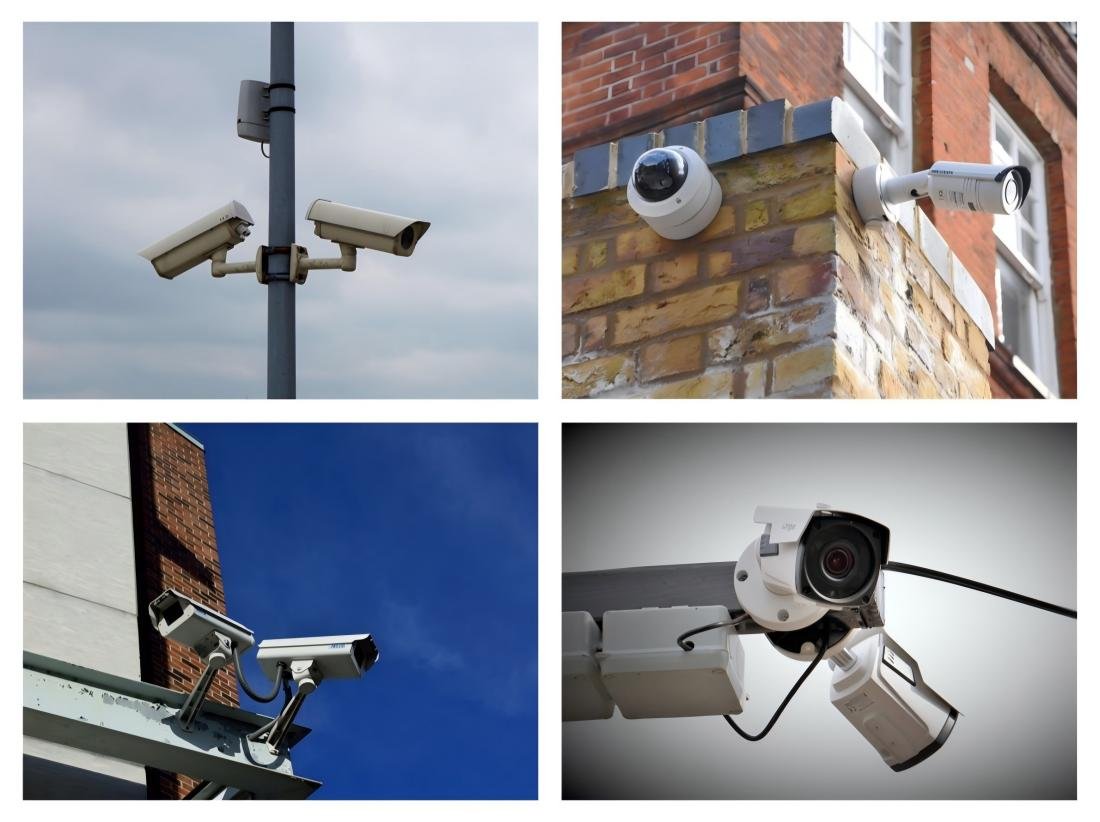
2.During installation, avoid backlighting and direct exposure to strong light
Vaizdo stebėjimo kamerų objektyvai should be installed in locations that avoid facing strong light sources such as windows and streetlights, as this can lead to overexposure and dark images of the subject. If backlighting is unavoidable, choose a lens with wide dynamic range capabilities to balance the brightness of bright and dark areas.
3.Choose the appropriate installation height and angle
When installing, choose an appropriate height and angle. Install the device at a height where it is unlikely to be damaged or obstructed, typically above 2.5 meters, while ensuring it can clearly capture key details such as faces. If the installation position is too low, it is easily damaged or obstructed; if the position is too high, it may affect the facial recognition effect. At the same time, choose an angle that can clearly capture the features of the target (such as the front or side of a face), and avoid looking too low or too high.
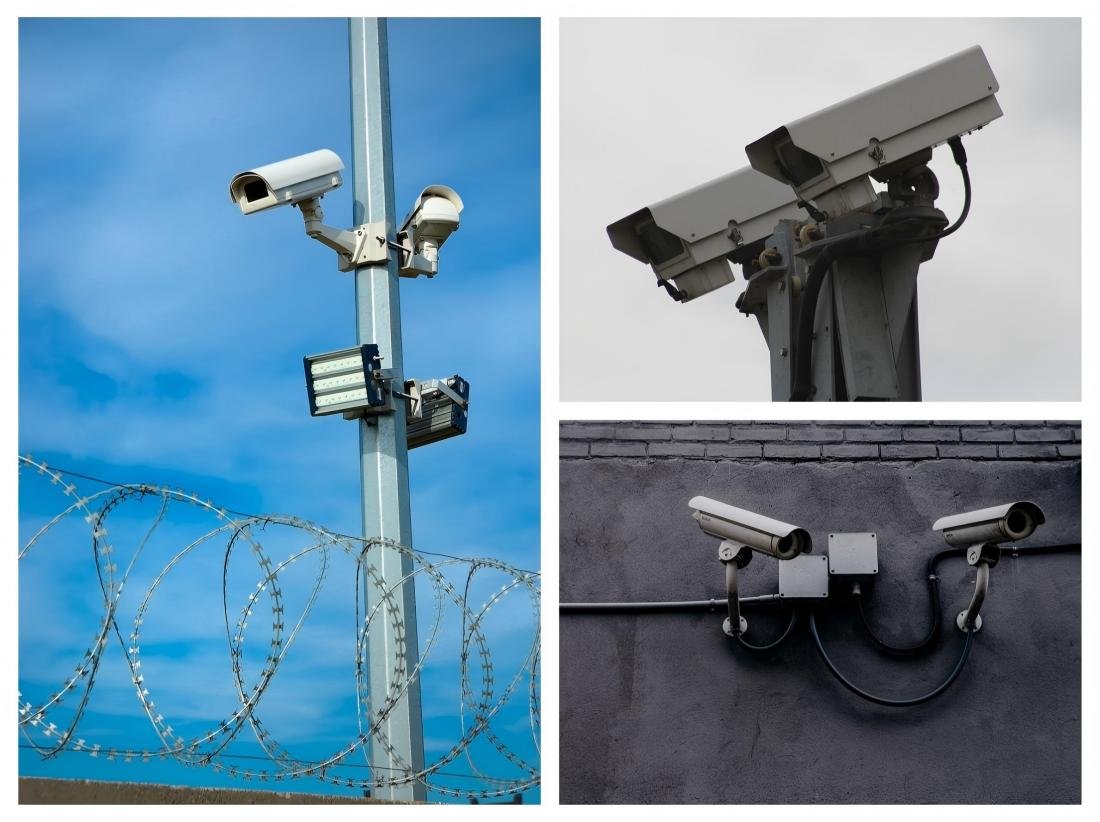
4.When installing, the lens should be fixed to reduce shaking
A loose lens can cause focus shift, affecting monitoring effectiveness. Therefore, the lens must be securely fixed during installation, ensuring that the bracket and mounting base are stable to prevent displacement or image shaking due to wind, vibration, or accidental contact, especially in outdoor surveillance. Furthermore, when connecting the lens to the camera, avoid overtightening to prevent damage to the interface.
5.Please clean the lens surface before installation
Before installing the lens, wipe the lens element with a dedicated lens cloth (or lint-free cloth) to remove dust, fingerprints, and other stains. Be careful not to touch the lens directly with your hands to avoid leaving oil stains. If there are stubborn stains that cannot be removed by wiping, you can use a small amount of lens cleaning solution and gently wipe the lens. Do not use corrosive liquids such as alcohol.
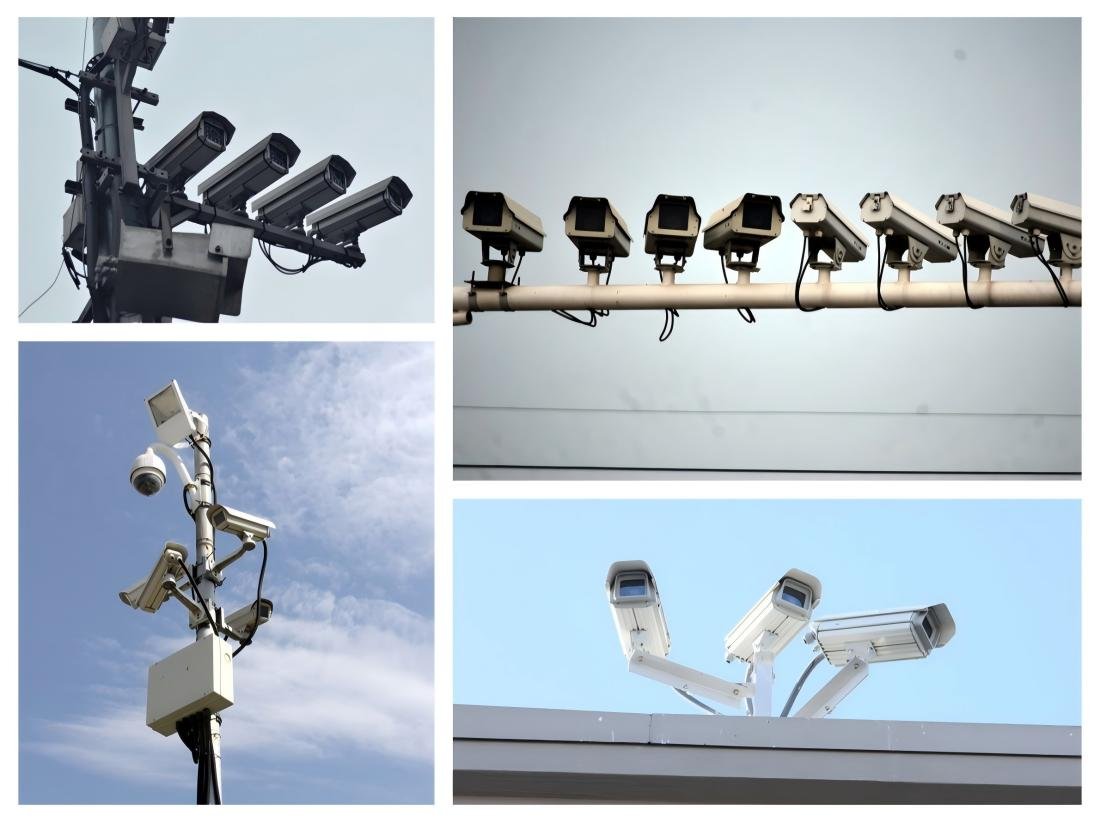
6.After installation, regular maintenance and upkeep are important
After installation and use, Vaizdo stebėjimo kamerų objektyvai require regular maintenance and upkeep. This includes regularly cleaning dust and debris from around the camera to prevent obstruction of the field of view and degradation of image quality; regularly cleaning the lens surface gently with a dedicated lens cleaning cloth or air blower (avoiding direct contact with hands) to prevent dust, stains, watermarks, and oil stains from affecting image quality; regularly checking the lens focus and aperture settings and replacing aging or damaged lenses promptly; ensuring the DVR/NVR hard drive is functioning correctly, has sufficient storage space, and that the recording overwrite policy is set correctly; and using monitoring software or the device’s built-in functions to check the camera’s image quality and recording functionality.
Therefore, the installation and use of CCTV lenses require ensuring correct equipment installation, verifying compliance with installation standards, and paying attention to regular maintenance after installation. This can effectively extend the lifespan of CCTV lenses, ensure clear and stable monitoring images, and improve the reliability of the security system.
