

 Korean
  English
  Arabic
  Bulgarian
  Chinese (China)
  Chinese (Taiwan)
  Chinese (Hong Kong)
  Czech
Czech  Danish
  Dutch
Dutch  Estonian
  Finnish
  French
  Greek
Greek  German
  Hungarian
  Indonesian
  Italian
  Japanese
  Latvian
  Lithuanian
  Polish
  Portuguese
  Romanian
  Russian
  Slovak
  Slovenian
  Spanish
  Swedish
  Turkish
  Ukrainian
  Vietnamese
 업계 뉴스
What Types of Photos Are Suitable For Telephoto Lenses?
Telephoto lenses have a long focal length (generally 70mm or more) and a narrow angle of view. They have unique optical characteristics and are suitable for shooting various types of photos, making them widely used in photography.
Before understanding the shooting scenarios using telephoto lenses, let’s first look at their main advantages:
①Background blur and space compression effects
Telephoto lenses can produce a strong shallow depth of field effect, making the background blur more obvious, which is suitable for portrait photography or scenes that need to highlight the subject (such as portraits or close-ups of flowers).
Telephoto lenses have a narrower angle of view, which can focus on a local area in the picture, compress the sense of space in the picture, make distant objects appear closer to the foreground, and enhance the layering of the picture (such as mountains or building complexes).
②High magnification and strong ability to capture details
Telephoto lenses offer high magnification and telephoto capabilities, enabling the magnification of details in distant objects and the capture of textures invisible to the naked eye, such as bird feathers and lunar craters. They are suitable for shooting wildlife, sporting events, and other scenes where capturing details is crucial.
As can be seen from the advantages mentioned above, telephoto lenses are very suitable for shooting the following types of scenes:
1.Landscape photography
Telephoto lenses are used in landscape photography. When capturing magnificent natural scenery, they can bring distant mountains, lakes, peaks, buildings, and other objects closer, magnifying details such as a blooming wildflower, a unique leaf, or a peculiar rock. By compressing the sense of space, telephoto lenses can enhance the depth and artistry of the image, making the work more visually impactful.
2.Wildlife photography
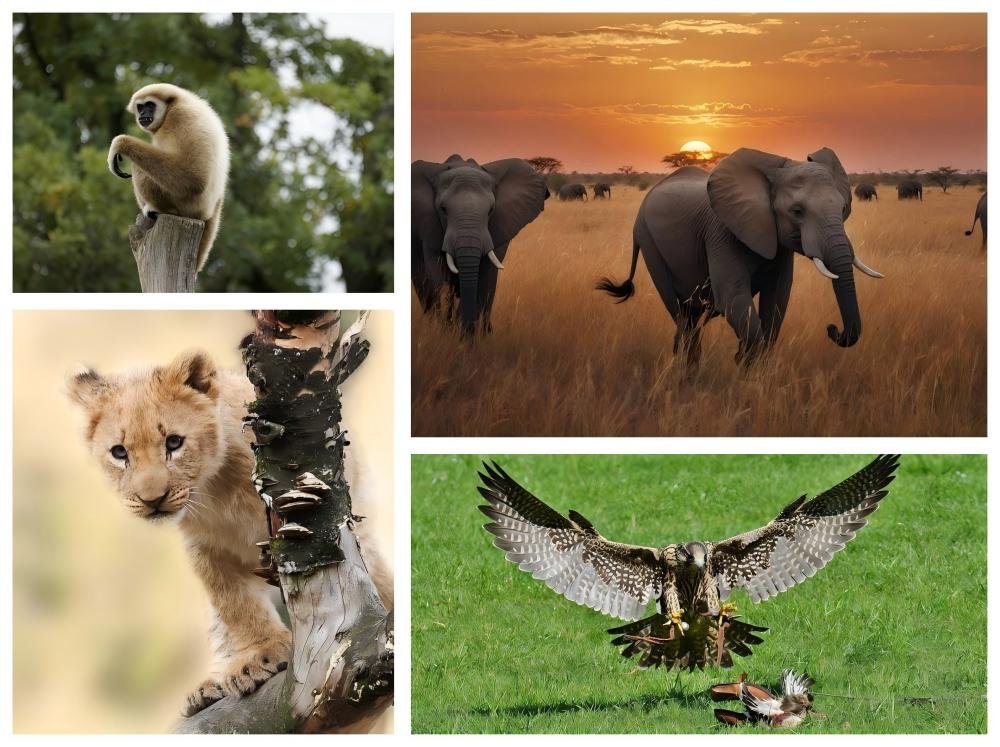
Telephoto lenses are ideal for wildlife photography, allowing you to capture the animals’ true behavior and details from a distance without disturbing them. Many animals are very sensitive to human approach and easily startled; using a telephoto lens avoids this.
For example, when photographing difficult-to-approach creatures such as lions, birds, and insects in the wild, a telephoto lens can provide a clear image and highlight the subject.
In addition, telephoto lenses can quickly and continuously focus, more accurately locking onto the dynamics of wild animals and helping photographers capture wonderful moments such as animals hunting, interacting, or displaying fleeting postures.
3.Sports or event photography
In sports or athletic competitions, spectators or photographers often cannot get close to the athletes. Telephoto lenses can bring athletes on the field from a distance closer, clearly capturing their movements, expressions, and details, making the audience feel as if they are there, experiencing the tension of the competition.
Photographers can capture exciting moments of athletes from the stands or from a distance, such as a basketball player dunking, a soccer player shooting, or a track and field athlete sprinting, which can give people a strong visual impact.
4.Portrait photography
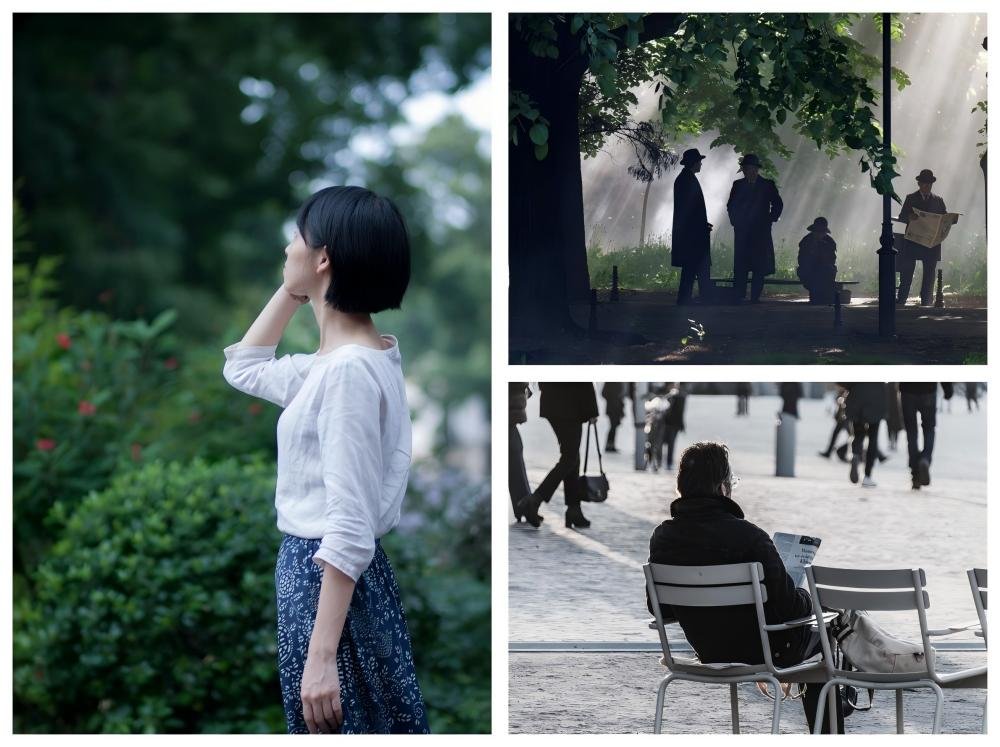
Telephoto lenses are also frequently used in portrait photography. They can compress space, blur the background, and highlight the facial expressions and emotions of the model or subject, while avoiding disturbing the subject and capturing natural, authentic moments.
They are commonly used in commercial portrait photography, artistic portrait photography, and street portrait photography to showcase the charm and temperament of the person. For example, when shooting close-up portraits, telephoto lenses can create a cinematic, blockbuster feel.
5.Architectural and urban landscape photography
When photographing skyscrapers or city skylines, using a telephoto lens can magnify architectural details and capture local features of buildings, such as windows and sculptures, making the image more layered and three-dimensional.
6.Astronomical photography
Telephoto lenses can also be used for astrophotography to photograph celestial bodies such as the moon and planets, capturing their details. For example, using a super telephoto lens (400mm or more) can produce clear images of the moon’s surface or a section of the starry sky.
7.Stage performance and event photography
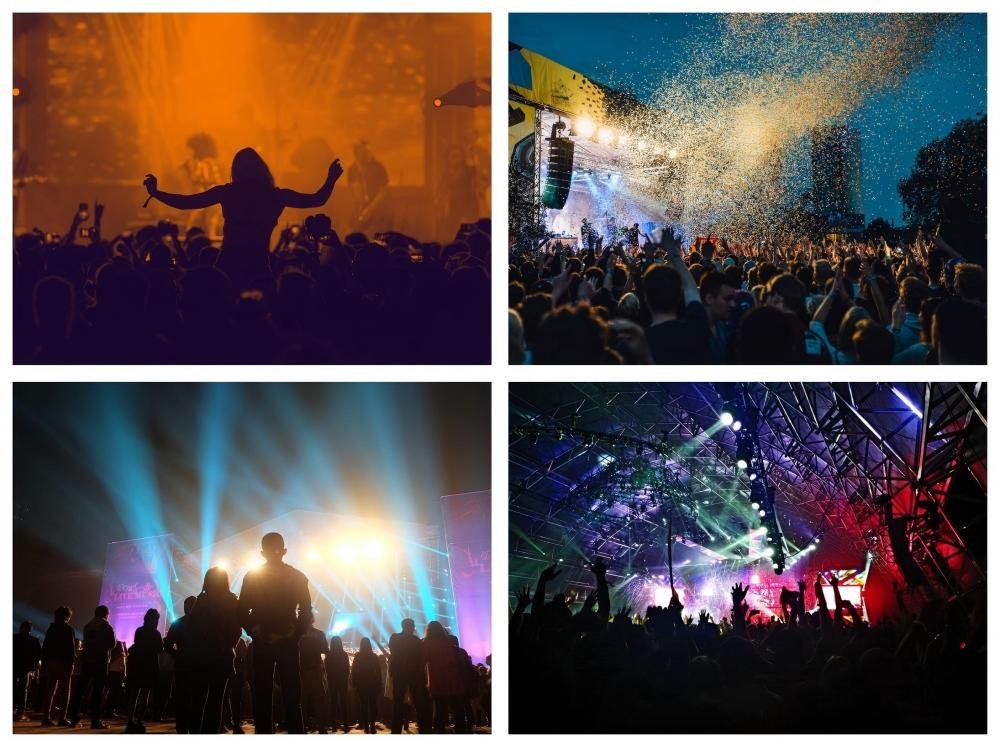
Telephoto lenses can capture close-ups of distant subjects and are also suitable for shooting scenes such as stage performances, concerts, or concerts. They can capture the expressions and movements of actors while avoiding interference from the audience.
8.Macro photography
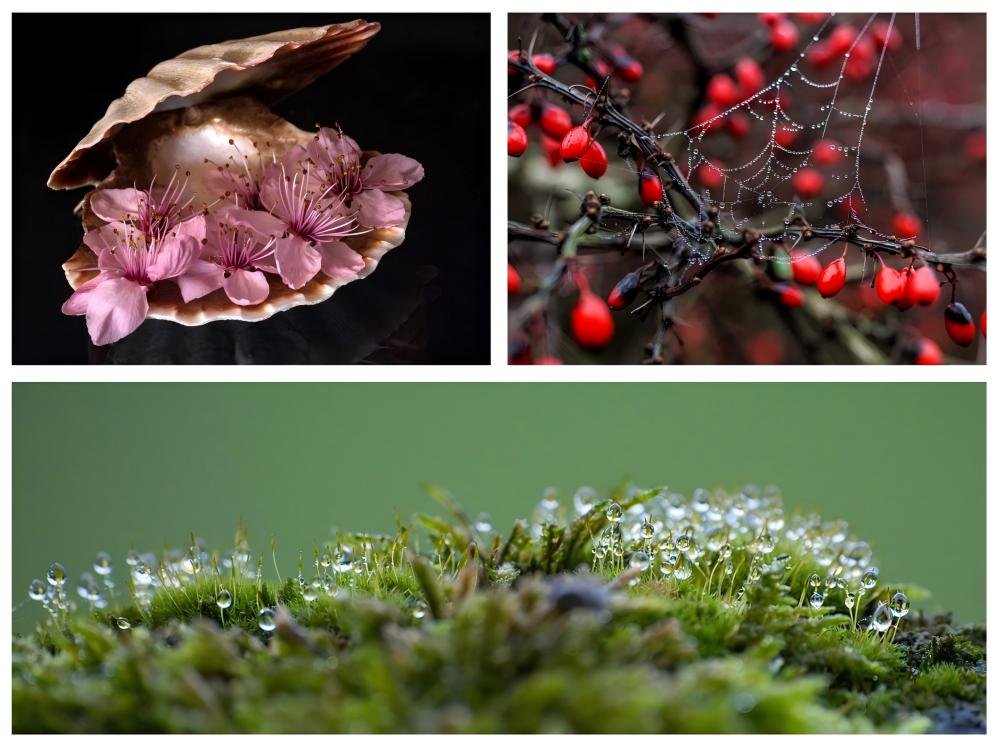
Telephoto lenses are not dedicated macro lenses, but some telephoto lenses can provide a longer working distance and capture the details of tiny objects through high magnification, such as photographing the details of sensitive creatures (such as butterflies and bees), flowers, or small objects.
It is evident that telephoto lenses can overcome the limitations of the naked eye’s perspective, making them suitable for scenes that require focusing from a distance or emphasizing spatial compression. They are powerful tools in fields such as landscape, sports, and portrait photography, helping photographers capture those hard-to-reach moments and details.
