

 Bulgarian
  English
  Arabic
  Chinese (China)
  Chinese (Taiwan)
  Chinese (Hong Kong)
  Czech
Czech  Danish
  Dutch
Dutch  Estonian
  Finnish
  French
  Greek
Greek  German
  Hungarian
  Indonesian
  Italian
  Japanese
  Korean
  Latvian
  Lithuanian
  Polish
  Portuguese
  Romanian
  Russian
  Slovak
  Slovenian
  Spanish
  Swedish
  Turkish
  Ukrainian
  Vietnamese
 Новини от индустрията
What Are The Special Precautions For Cleaning Lenses in A Sandy And Dusty Environment?
Camera lenses require special attention to daily maintenance and care, and cleaning is an essential step. Cleaning lenses in different environments presents different challenges.
When cleaning lenses in a sandy and dusty environment, extra caution is necessary because sandy and dust may contain hard particles that can scratch the lens coating or surface if cleaned improperly, affecting image quality. The following are important precautions to keep in mind:
1.Follow the core principle of cleaning lenses: remove dust first, then clean
The main threat from dust is particle friction; therefore, before cleaning a lens, it’s essential to thoroughly remove any loose dust from the surface before proceeding with further cleaning. This prevents particles from scratching the lens during direct wiping.
2.Choose the appropriate cleaning tools
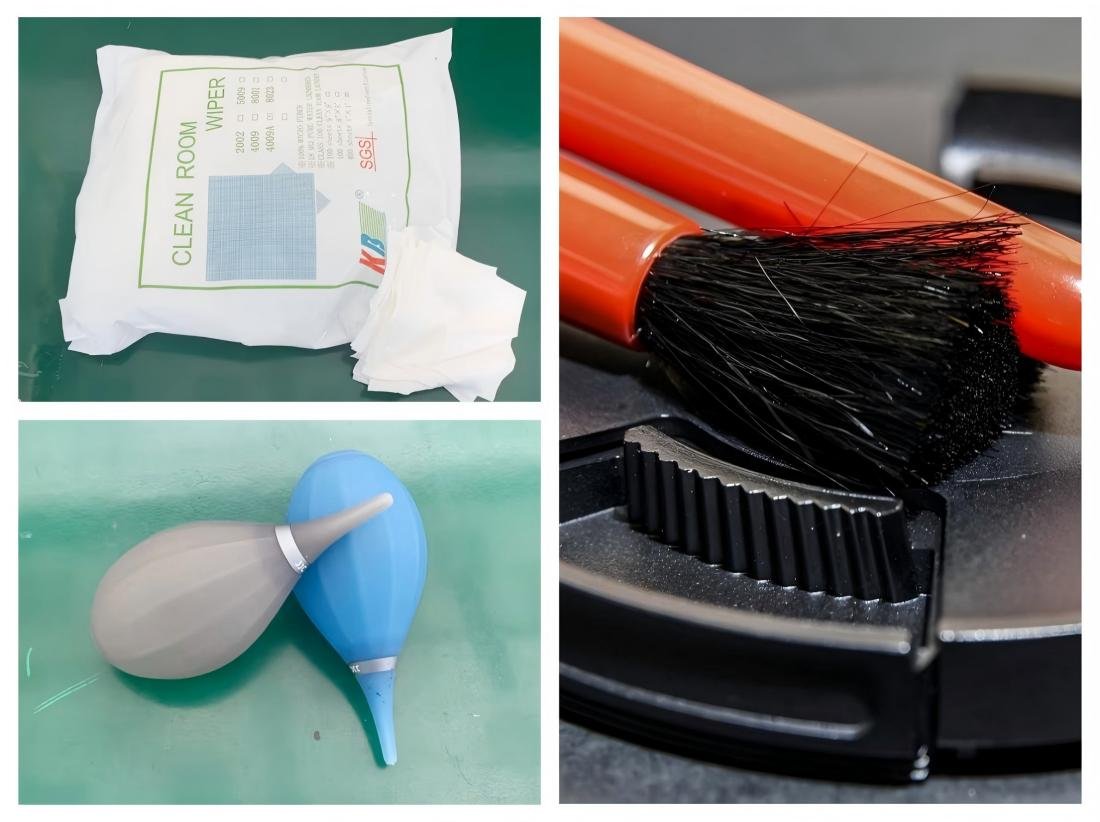
Use professional cleaning tools such as an air blower, soft brush, lens cloth, or lens tissue. These tools can effectively remove dust while preventing scratches on the lens.
3.Avoid cleaning or replacing the lens when it is directly exposed
In dusty environments, minimize the time the lens is exposed and cover it with the lens cap when not in use. When cleaning or changing lenses, choose an indoor or sheltered location, keep the camera body facing downwards, and perform the operation quickly before covering the camera body to prevent the lens from being directly exposed. This is especially important when changing lenses, as dust can easily enter the camera body, particularly the sensor and the inside of the lens.
4.Precautions for dealing with sand and dust
Choose a professional lens blower (ordinary blowers may leak air or leave impurities). Keep the blower about 10-15 cm away from the lens surface and blow air at an angle from the center of the lens to the edge, using the airflow to blow away the dust on the lens surface. Note that when blowing air, do not let the nozzle of the air blower touch the lens to avoid scratching it.
If dust or dirt remains after removing loose particles (such as grains of sand stuck to the lens) or stains (such as marks formed by a mixture of dust and moisture), further cleaning is necessary. Use a professional lens cloth or lens tissue folded into a small piece (avoid using the edges to prevent scratching) and gently wipe the lens in a spiral motion from the center outwards. The pressure should be very light, as if “sweeping” the surface, and avoid wiping back and forth to prevent particles from scratching the lens.
Additionally, for stubborn stains such as fingerprints or grease on the lens surface, you can use a professional lens cleaner. Spray a small amount of the cleaner onto a lens cleaning cloth (do not spray directly onto the lens to prevent liquid from seeping into the lens), and then gently wipe the lens as described above.
5.Precautions for cleaning lenses edges and mounts
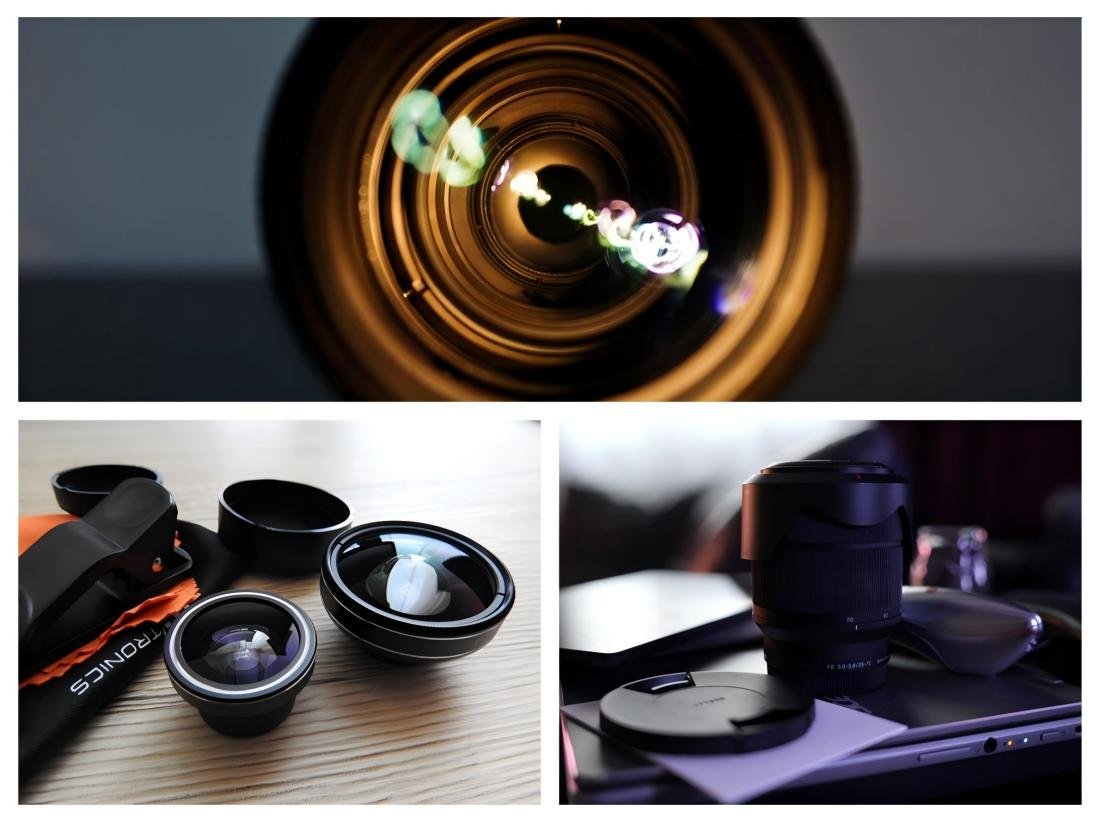
Sand and dust may also remain in the gaps around the lens edge. You can use an air blower to blow air into the gaps, or gently sweep them with a clean, soft brush (such as a professional lens brush) to prevent sand and dust from entering the lens and affecting the focus or aperture function. If you need to change lenses, clean the lens mount on the camera body and the lens itself using an air blower or soft brush to prevent dust from entering the camera body.
6.Mistakes to avoid
Please note that using a hairdryer (the moisture will cause dust to clump), household wet wipes, or ordinary cloth to clean the lens is prohibited; absolutely do not wipe the lens with rough objects such as fingernails, tissues, or clothing corners, as the fibers or hardness of these objects may directly scratch the lens; do not wipe the lens directly if the dust has not been completely removed, as hard particles will wear down the coating like sandpaper; if sand enters the inside of the lens (causing abnormalities such as light spots or blurring), do not attempt to disassemble and clean it yourself, but send it to a professional repair center for service.
In summary, cleaning lenses in a dusty environment requires adhering to the core principles of “blow first, then wipe, use professional tools, and avoid hard rubbing.” Following these precautions will minimize damage to the lens from dust and protect the lens coating and image quality.
